Minnetonka Neighborhoods: Everyday Life Near The Lake
April 2, 2026
April 2, 2026
Looking for the right part of Minnetonka can feel harder than picking the right city. That is because Minnetonka is not one single, obvious center. It is a collection of distinct pockets, each with its own rhythm, access points, and daily routine. If you want to understand what everyday life near the lake really looks like, this guide will help you compare the areas that shape how you live, commute, and spend your weekends. Let’s dive in.
Minnetonka is a fully developed suburban community about eight miles west of Minneapolis, but it does not read like one continuous downtown. According to the City of Minnetonka, the city has more than 53,000 residents, more than 50 parks and open spaces, and more than 100 miles of trails. Trees, wetlands, prairies, and lakes break up the built environment, which helps create that pocket-by-pocket feel.
That pattern has deep roots. The city’s history points to early settlement areas like Minnetonka Mills, Glen Lake, Groveland, and Oak Knoll, while more recent planning highlights the I-394 corridor, Ridgedale, and Opus as major activity areas. In practical terms, Minnetonka’s history helps explain why two homes in the same city can offer very different day-to-day experiences.
Glen Lake is one of the easiest areas to picture if you want a neighborhood where housing, errands, and local services come together. City redevelopment materials describe western Glen Lake as a thriving commercial and residential area with a hilly landscape and rich tree canopy. That mix gives the area a lived-in, established feel rather than a purely residential one.
Around Excelsior Boulevard, Woodhill Road, and Stewart Lane, the area blends homes, shopping, and trail-oriented public spaces. For many buyers, that can translate into a routine where quick errands, nearby services, and outdoor access all sit close to home. If you like the idea of convenience without giving up Minnetonka’s green setting, Glen Lake is often one of the first areas worth exploring.
If your picture of Minnetonka starts with the lake, Groveland and Gray’s Bay are the clearest match in the city’s planning materials. The city notes that the Groveland and Gray’s Bay areas near the eastern edge of Lake Minnetonka began as modest single-family neighborhoods on one-third to one-half acre lots. That gives the area a more direct lake-adjacent identity than many other parts of the city.
This part of Minnetonka also connects to practical lake access. The city’s Gray’s Bay Marina information confirms public access at County Road 101 South and Gray’s Bay Boulevard. For many residents, that matters just as much as shoreline ownership because it shapes how easily you can enjoy the water as part of everyday life.
Ridgedale is less about a classic neighborhood center and more about access, convenience, and movement. The city’s Ridgedale Village Center Study describes plans for stronger identity, better pedestrian connections, and a mixed-use future. It also includes assets like Ridgedale Commons, which gives the area a small urban-park element near the mall and library.
If you want shopping, services, and fast freeway access close by, Ridgedale stands out. This pocket often appeals to buyers who prioritize practical daily convenience and easy connections to the rest of the west metro and Minneapolis. It is less about a lake-neighborhood feel and more about keeping your routine efficient.
Opus and Shady Oak have a different energy from western and lake-adjacent residential pockets. The city describes Opus as a mixed-use community near Highway 169, Highway 62, and Shady Oak Road with residential apartments, major employment centers, a one-way roadway network, and six miles of off-road trails. That makes it one of the most transit-aware and employment-oriented parts of Minnetonka.
This area may become even more connected over time. Metro Transit’s Plymouth Road Transit Center serves the broader transit picture nearby, and regional planning places Opus Station in Minnetonka as part of the Green Line Extension, which the Metropolitan Council says is expected to open in 2027. If you want a location tied closely to work hubs, trails, and future transit options, Opus and Shady Oak deserve a closer look.
Minnetonka is still largely shaped by car travel. In the city profile used for the 2024 Climate Action & Adaptation Plan, 71% of residents drove alone to work in 2021. Major corridors like Highway 7, I-394, and I-494 continue to shape how many people move through the city each day.
That said, commute convenience is not evenly spread across Minnetonka. Areas near I-394, Ridgedale, and Opus generally line up better with transit facilities, bus service, and future rail access. Quieter residential pockets farther from those corridors will usually feel more car-dependent, which is a useful point to keep in mind as you compare lifestyle and commute priorities.
One of Minnetonka’s biggest strengths is how much outdoor access is built into daily life. The city says it has more than 100 miles of trails and sidewalks, with about 81 miles maintained year-round. Those connections link activity centers, transit facilities, Bryant Lake Regional Park, and major regional trails.
The trail network follows creek corridors including Minnehaha, Nine Mile, and Purgatory. That means even homes that are not near the shoreline can still feel connected to green space. In day-to-day life, that often shows up in morning walks, bike rides, easier park access, and a stronger sense of separation from the busiest roads.
Minnetonka’s broader park system reinforces that feeling. Amenities named in city materials include Shady Oak Beach, Lone Lake Park and Preserve, Big Willow Community Preserve, Purgatory Community Preserve, and Ridgedale Commons. If your goal is an active routine with outdoor space close by, Minnetonka offers that in more than one form.
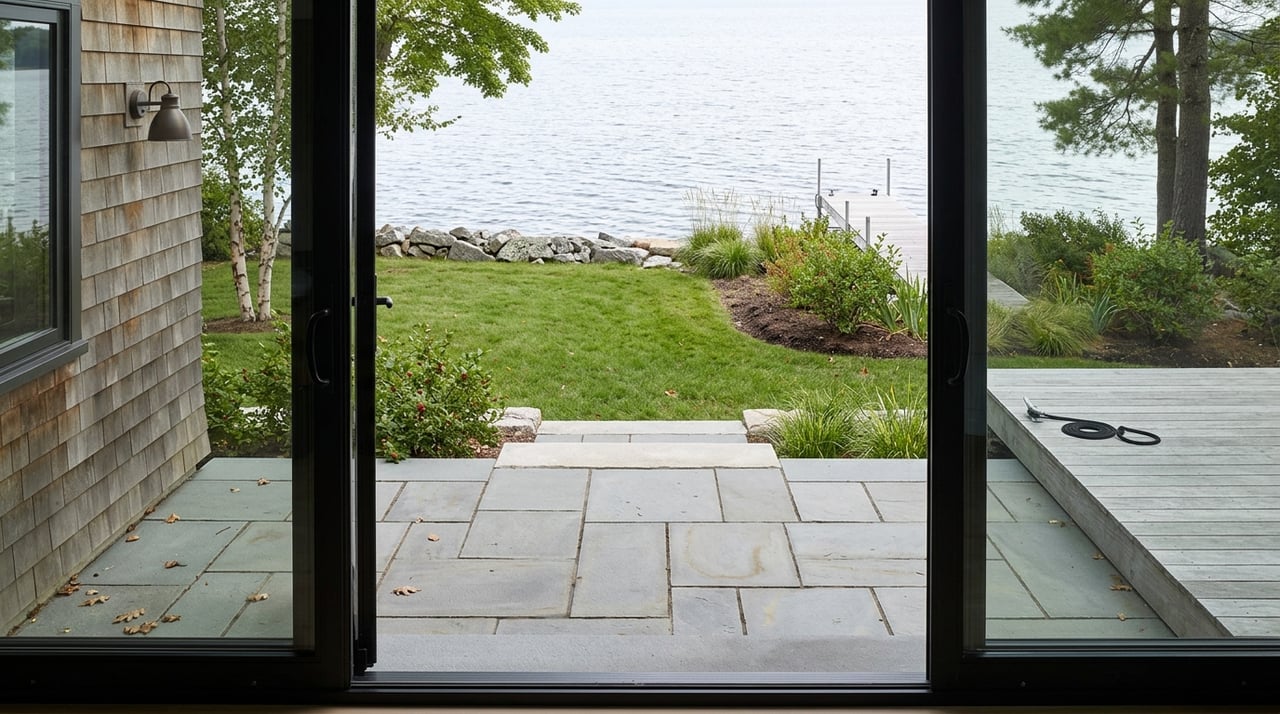
A common misconception is that living near Lake Minnetonka means you need a lakefront lot to enjoy the lifestyle. In reality, many Minnetonka residents experience the lake through public access points, nearby parks, and trail connections rather than direct shoreline ownership. That can open up more ways to enjoy the area without limiting your search to one housing type or price point.
The city’s planning documents tie the Groveland and Gray’s Bay area most directly to Lake Minnetonka. Elsewhere in Minnetonka, the connection to water is often more indirect but still meaningful, thanks to the city’s broad network of parks, preserves, beaches, and trails. If you are searching for “near the lake” rather than “on the lake,” that distinction can be very helpful.
Minnetonka’s housing stock is still led by detached single-family homes. In the city’s 2024 Climate Action & Adaptation Plan profile, 54% of housing units were single-family detached, 35% were multifamily, 10% were townhomes, and about 1% were duplex, triplex, or quad units. About half of the city’s land area is also used for low-density housing, much of it owner-occupied single-family homes.
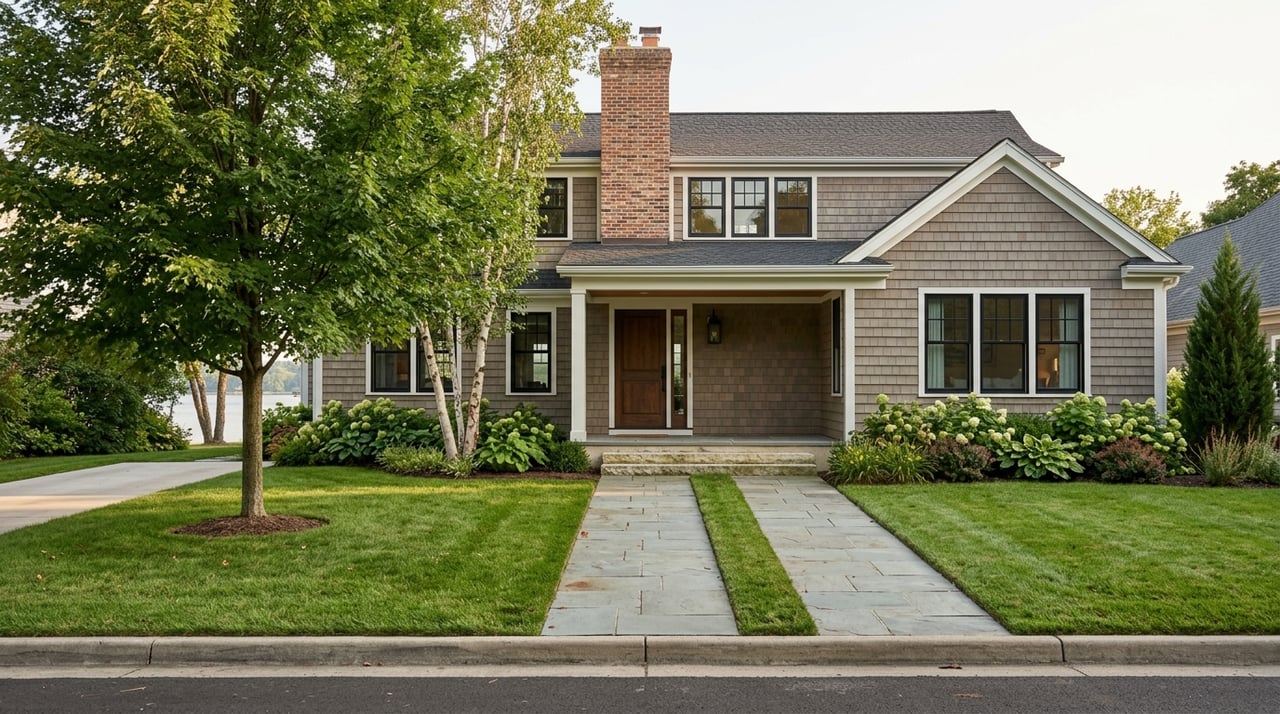
The age of the housing matters too. City housing materials say much of Minnetonka’s single-family stock was built between 1950 and 1970, while much of the multifamily inventory dates to the 1970s and 1980s. For you as a buyer, that often means mature trees, established streetscapes, and homes that may offer renovation potential depending on the area and property.
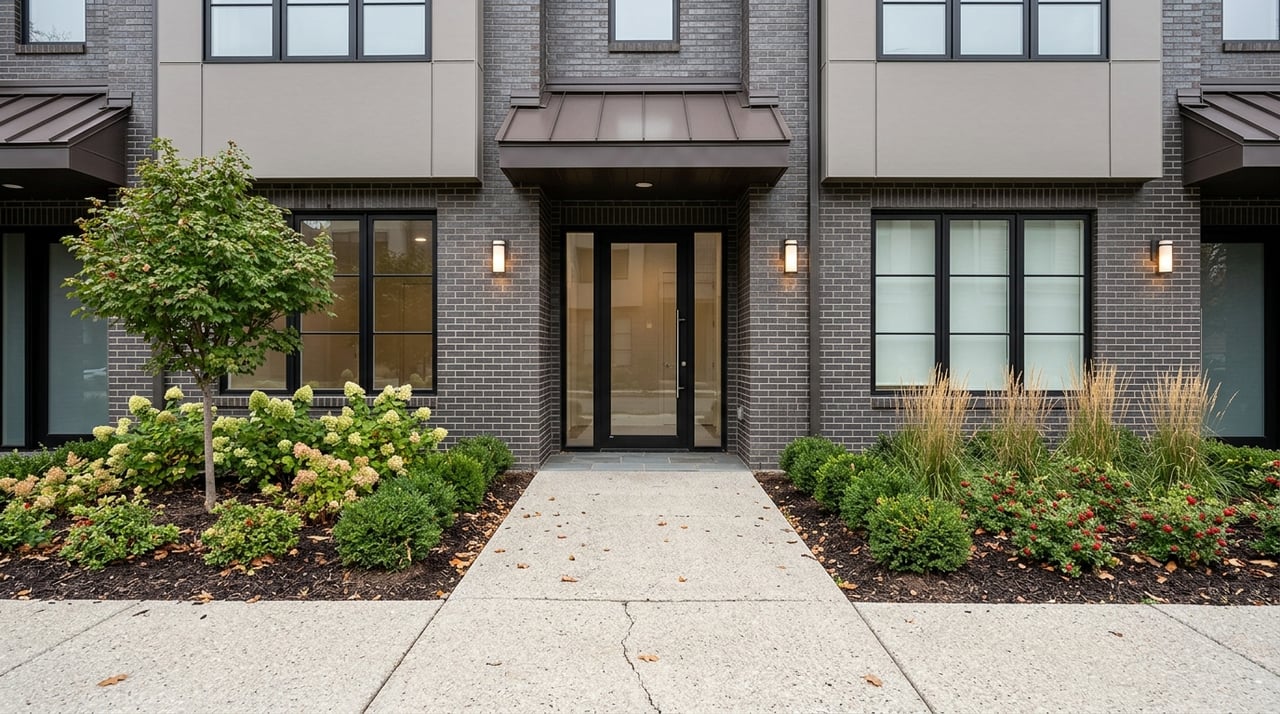
City planning continues to support that general pattern. Existing neighborhood character is intended to be preserved, while higher-density residential and mixed-use development is more focused in village centers and regional corridors. In real terms, your search may range from older single-family neighborhoods near the lake to apartments and townhomes near Glen Lake, Ridgedale, Shady Oak, and Opus.
The best Minnetonka neighborhood for you depends less on a single label and more on how you want your days to work. If you want the strongest connection to Lake Minnetonka, Groveland and Gray’s Bay may rise to the top. If you want errands and services close at hand, Glen Lake or Ridgedale may feel more practical.
If commute access matters most, areas near I-394 and Opus may deserve extra attention. If trails, mature trees, and established residential streets are higher on your list, several parts of Minnetonka can support that goal. The key is to match the pocket to your routine, not just the map.
When you are sorting through those tradeoffs, local guidance can make the process much clearer. Sheryl Deppa brings hands-on Minnetonka and Lake Minnetonka market knowledge, clear guidance, and disciplined representation to help you compare neighborhoods and move forward with confidence.
Stay up to date on the latest real estate trends.
Work with Sheryl Deppa, a trusted Minnetonka real estate professional known for attentive service and local expertise. She’s committed to guiding you smoothly through every step of buying or selling your home.